RFID, NFC & Smart Identification
SI-09
Retail RFID & EAS Labels
This product is intended for retail brands, merchandise suppliers, store loss prevention, inventory, point-of-sale systems and source-tagging programmes.
Request pricing for SI-09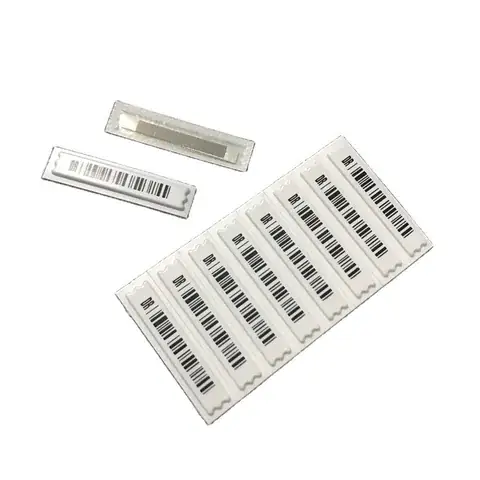
Product overview
What this product covers
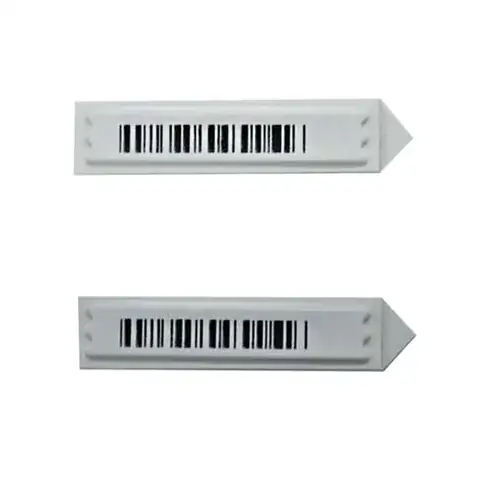
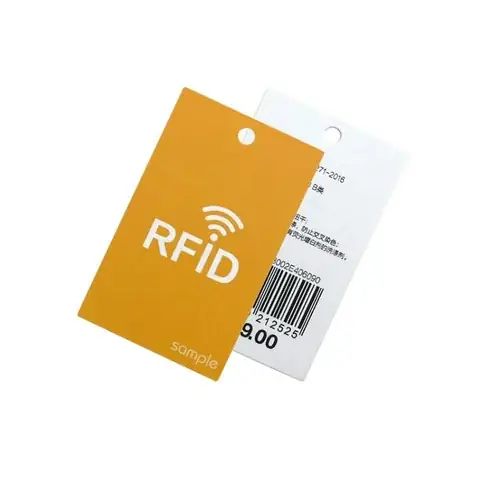
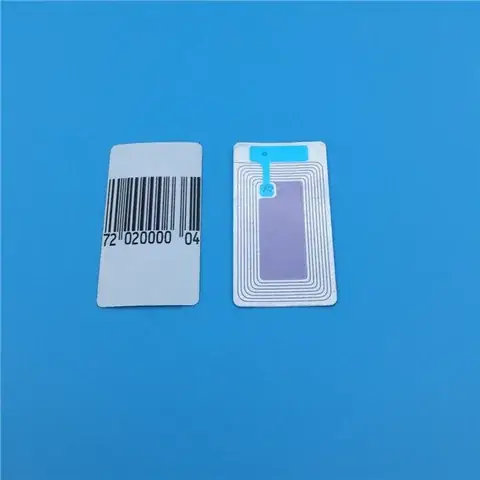
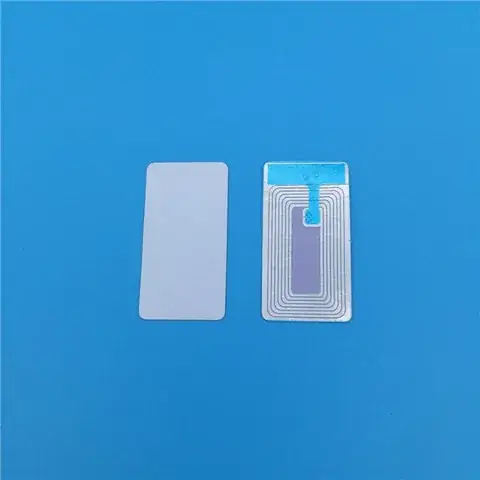
This product is intended for retail brands, merchandise suppliers, store loss prevention, inventory, point-of-sale systems and source-tagging programmes. RFID maps the EPC or item identity to SKU, order and inventory records for receiving, counting, locating and dispatch; EAS supports exit alarms and is deactivated, unlocked or removed at checkout as the store system requires. The two technologies have different jobs, so inventory reading and alarm detection are not treated as the same function. Define the business event, installed reader or detector, merchandise material and tag position before frequency or EAS type, encoding, print, checkout handling and read testing. This page presents one standard model, SI-09, in PET face stock with RFID/EAS inlay. Dimensions, processes and acceptance notes on this page refer to this representative construction.
Applications
- Retail inventory, loss prevention and item tracking
Buyers and teams
- retail brands, merchandise suppliers, store loss prevention, inventory, point-of-sale systems and source-tagging programmes
Materials
- PET face stock with RFID/EAS inlay
Marking
- Custom to artwork
Installation
- Designed for the mounting object
Specifications
| Field | Documented value |
|---|---|
| Label & inlay size | Finished width × height, inlay size and chip position |
| Function type | RFID inventory, EAS alarm or dual function |
| Encoded data | EPC/item identity, lock rules, visible number and data owner |
| Read & detection | Pass criteria on the real item, orientation and store environment |
| Roll & application | Core, roll diameter, pitch, unwind, liner and adhesive |
Recommended project inputs
- Retail RFID & EAS Labels; business objective, RFID reader or EAS detector, band or type, merchandise and pack sample, tag position, encoding data, quantity and test points.
- State the identified object, material/surface, available space, orientation, holes/ties/adhesive/matched tool and provide a site photo where possible.
- Provide length, width/diameter, thickness, corners/edges, holes/slots, fit tolerances and any keep-clear or no-adhesive zones.
- Supply final text, units, graphics, colour, language, serial/barcode/RFID rule, human-readable data and one approved revision; numbers shown in sample images are never treated as production data.
- State temperature and dwell, indoor/outdoor use, UV, water, oil, cleaner/chemical, abrasion, vibration, read conditions or other real exposure together with test method and pass/fail criterion.
- Provide prototype and production quantity, start/end and permitted-gap rules, grouping, packing sequence, batch documents and target delivery.
- Where regulation, certification, permit, ethics, brand authorisation or customer specification applies, provide the applicable revision and owner-approved file; a product name or image cannot replace it.
Continue with this product
Discuss Retail RFID & EAS Labels
Include product code SI-09 with the project inputs that apply.