Completed custom project
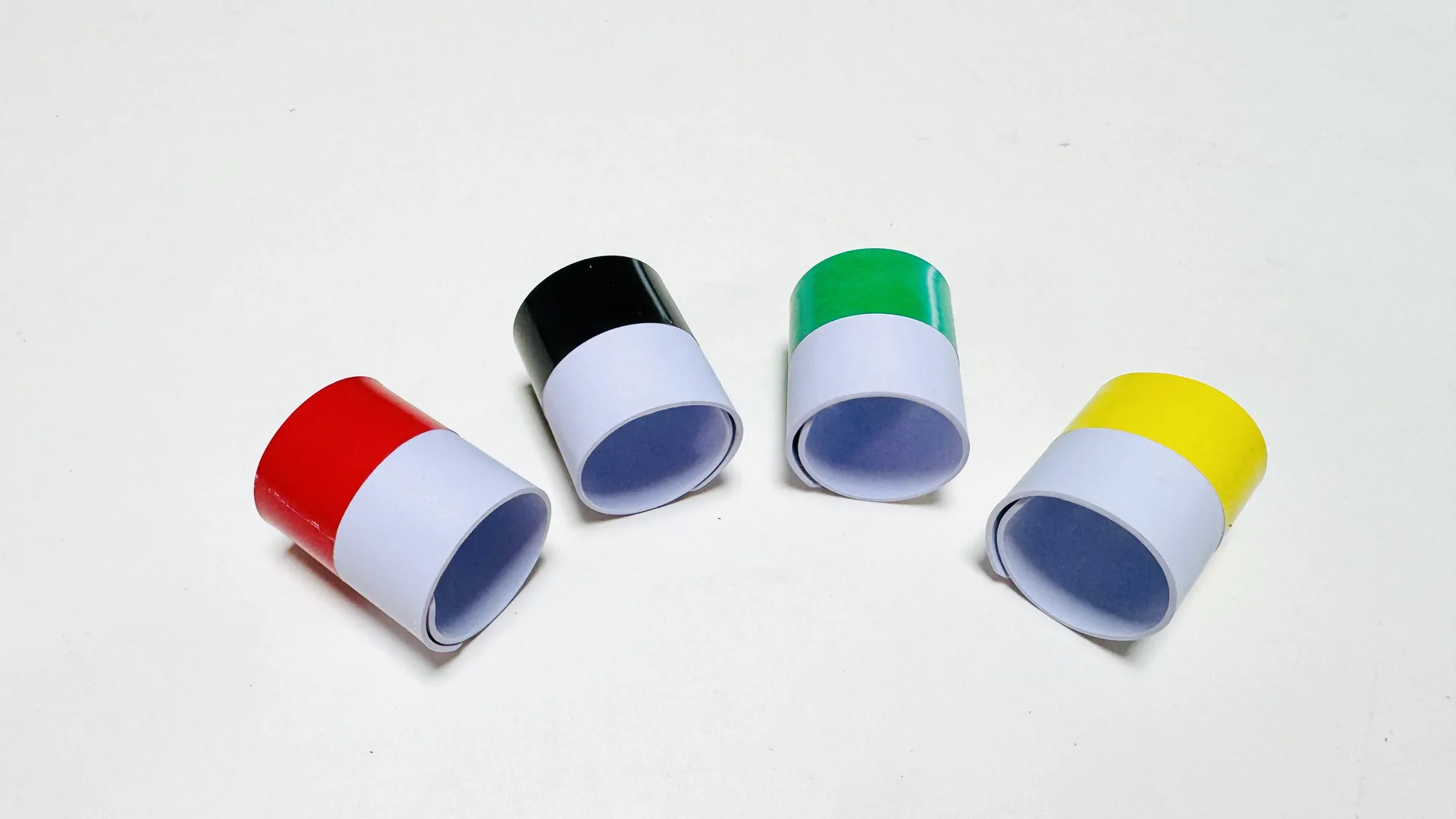
Custom Two-Colour Plastic Raptor Rings for Great Bustard Research
A Great Bustard research team at a Hungarian national park required a two-colour plastic raptor ring that was not available as a routine catalogue construction: 40 mm high with two 20 mm colour sections, different internal diameters for male and female birds, and identity carried entirely by the colour pair. Zheye translated the customer's colour schedule, dimensions and field-readability requirements into a manufacturable specification, reviewed colour availability, coordinated substitutes and schedule revisions, and controlled the small batch by size and colour combination.
Case record
Value Case ID; CS-001 Wildlife Research & Conservation A Great Bustard conservation and research team at a Hungarian national park Hungary, Central Europe Field identification, conservation research and resighting of individual Great Bustards Non-standard product development and small-batch colour-combination control custom two-colour plastic raptor rings Non-standard dimensions, two-colour construction, colour schedule, size grouping and customer approval Customer project correspondence and confirmation records from July–August 2026 De-identified draft; customer permission is still required before publication Product-positioning statement This is a custom two-colour plastic ring, not a routine standard two-colour product. Plastic raptor rings are generally supplied in a single-colour construction. The value of this project lies in converting a non-standard two-colour concept, species-specific dimensions, a colour schedule and delivery requirements into a manufacturable physical product.
The customer's research job
The customer team has long worked on Great Bustard conservation and research and needs to recognise individuals in the field through visible colour markers. Earlier colour-marking methods had not fully met the programme's needs, so the team wanted to evaluate a new single-ring, two-colour approach. The customer did not require letters or numbers. Each ring uses the combination of two colour sections as an individual key, allowing field observers to record a resighting from the approved colour schedule rather than from characters on the ring.
Why a standard product was not enough
Plastic raptor rings are generally single-colour products, while standard visual systems often use engraved characters or several separate colour rings. This project combined several non-standard requirements: Two colour sections in one ring The customer wanted upper and lower colour bands integrated in one plastic ring rather than two separate single-colour rings. Identity based entirely on colour combination There would be no text, letter, number or engraved content. Two sex-specific sizes Male and female birds required different internal diameters while retaining the same overall height and two-colour layout. Programme-level colour schedule Each ring uses a different two-colour combination that must be registered, reviewed and usable in field observation. Familiar material and construction The customer required a plastic construction with thickness comparable to the familiar engraved colour-ring format. The task was not simply choosing a colour from a catalogue. It required a joint review of construction, size, colour availability, combination logic, manufacturing complexity and field use.
Released project requirements
Common requirement Customer-confirmed fit Total 51 rings Overall height; 40 mm; 40 mm; 40 mm Upper colour band; 20 mm; 20 mm; 20 mm Lower colour band; 20 mm; 20 mm; 20 mm Custom two-colour construction No letters, numbers or engraving Per approved colour schedule The customer considered two separate single-colour rings as a fallback because that route might simplify production. The preferred solution remained one integrated two-colour ring: if either of two separate rings were lost, the original combination and individual identity could become incomplete.
How Zheye translated the request into production
The project first established that the colour combination was the individual identifier, not a decorative feature. Band position, palette, size and grouping therefore became controlled project fields. The customer converted the idea into measurable interfaces: 40 mm overall height, two 20 mm colour sections, and 28 mm and 24 mm internal diameters. The customer prepared an initial schedule from website colour examples. Project review found that some selected colours were not available in the required construction, so Zheye proposed available substitutes and continued confirmation through images and revised schedules. The customer was concerned that combinations such as black with blue, similar greens, or white with yellow might become difficult to separate after fading, dirt or distance. A substitute could not be chosen from stock availability alone; it had to return to the field team's observation logic for customer approval. The parties used a colour schedule to flag combinations that could not be produced or needed adjustment. The customer revised the schedule and Zheye reviewed it again; a fallback was defined for a remaining uncertain combination. Production input follows the mutually confirmed schedule, not an inferred colour from an email image or example. Male and female internal diameters differ and each ring carries a different colour pair, so the project cannot be controlled by total quantity alone. Size, colour combination, quantity and outer pack identification must remain aligned to avoid field resorting.
Custom capabilities demonstrated
The customer needed two colour sections in one ring rather than a routine single-colour ring. Zheye did not force the requirement into an existing standard model; the non-standard construction was reviewed as its own project. The same project required two internal diameters with a common height and colour-band ratio. Fit is confirmed by the responsible research programme and cannot be inferred from a product image. Colour is both a material attribute and project data. Each two-colour combination corresponds to an individual identity assignment, so colour selection, substitution and pairing require variable-data-style control. The customer supplied combinations, Zheye checked availability and manufacturing boundaries, the customer revised them against field visibility, and both sides confirmed the final revision. This demonstrates translation from customer programme language into production fields. Unavailable colours, combinations requiring revision and predefined fallbacks were handled explicitly during approval rather than substituted informally during production. The project can be grouped by male/female size, colour combination and deployment sequence so the research team can check and use the rings against the approved plan.
Customer confirmation and project outcome
After review of colour availability, substitute-colour proposals and revisions to the combination schedule, the customer confirmed that the updated configuration met the programme's requirements and the released specification moved into execution. Outcomes supported by current evidence a non-standard two-colour plastic-ring request became a defined product specification. two internal diameters, common height and two colour sections became measurable interfaces. unavailable colours were substituted and approved before production. 51 rings were configured by male and female size. the customer confirmed the final configuration. Claims not yet supported for publication Current evidence does not establish long-term field durability, fading performance, individual fit outcome or research results. Those results should be added only after customer deployment, review and authorised feedback.
Relationship to existing products and capabilities
The following local products provide adjacent customer language, material experience or workflow foundations, but none is the standard model of the custom case product: Boundary the case uses a custom two-colour construction within one ring. the case has no characters or engraving. material and construction are project-specific. not the final two-colour plastic construction. packing follows the released project schedule. Linked Custom Solutions records - SOL-CORE-04 Wildlife Research Identification - SOL-CORE-01 Serialized Identification Programs (colour schedules handled as controlled variable data) - SOL-REQ-04 Field Application - CAP-13 Excel & CSV Data Import - CAP-14 Project Code Management - CAP-16 Custom Packaging & Sorting
What to provide for a similar project
Responsible organisation, species, life stage, attachment site, ethics and authorisation boundary. Internal/external diameter, height, thickness, colour-section ratio, edge and movement clearance. Plastic or metal, single/two-colour, closure, weight, applicator and sample. Accepted colours, prohibited pairs, left/right or upper/lower order, viewing distance and dirt/fading considerations. One row per ring with size, upper colour, lower colour, group, station and note. Size, edge, roundness, colour order, contrast, closure, weight and tool fit. Group by species/sex/size/combination/station with group and quantity on the outer label. Animal marking must be performed by personnel with the required authorisation, training and institutional approval. Product images, case studies or general guidance do not replace species-fit, welfare, ethics or regulatory approval.
Website card summary
English A Great Bustard research team at a Hungarian national park required a two-colour plastic raptor ring that was not available as a routine catalogue construction: 40 mm high with two 20 mm colour sections, different internal diameters for male and female birds, and identity carried entirely by the colour pair. Zheye translated the customer's colour schedule, dimensions and field-readability requirements into a manufacturable specification, reviewed colour availability, coordinated substitutes and schedule revisions, and controlled the small batch by size and colour combination.
Pre-publication gate
obtain written customer permission for case publication, organisation description and image use. reconfirm specification, quantity and project status. use only authorised product, sample or field images. do not display live individual-assignment data from the customer's schedule. do not add durability, fit or research-outcome claims before customer feedback.
Need a Similar Solution?
Reference CS-001 and share your application and requirements.